

Film Production Workflow: From Concept to Final Delivery
Film production workflow is the structured process that moves a film from concept development to final delivery. A professional workflow helps control planning, production, post-production, distribution, and marketing before problems affect the finished result.
Many film projects fail because the process is not clearly organized. Without structured pre-production, accurate scheduling, controlled production management, and disciplined post-production, delays and budget issues can quickly damage the project. A clear film production workflow keeps every stage connected.
Pre-Production in the Film Production Workflow
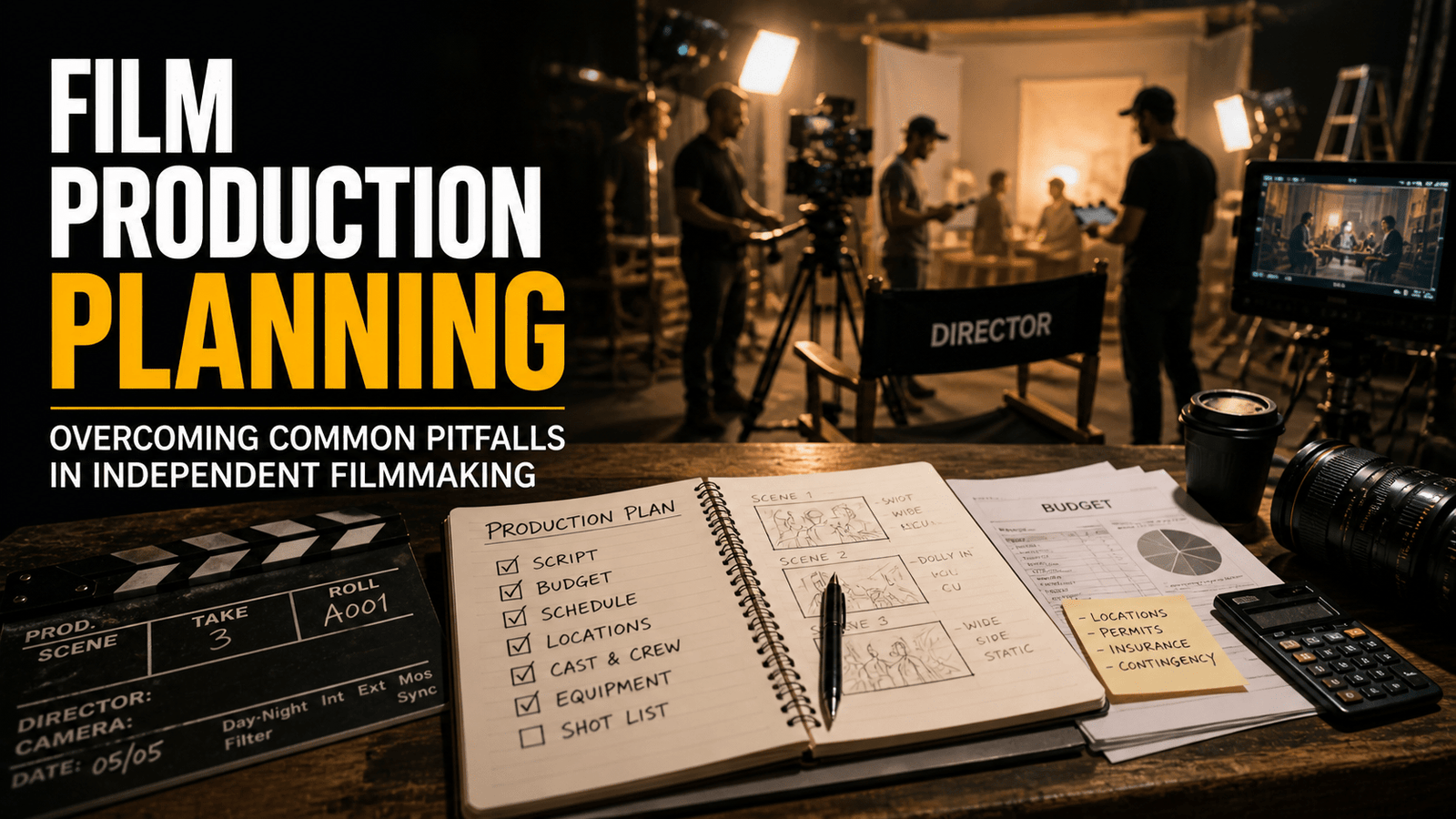
Pre-production is the foundation of the film production workflow. This stage prepares the project before filming begins and includes script development, budgeting, location scouting, casting, crew assembly, scheduling, and equipment planning.
The process begins with script development. A concept is shaped into a workable screenplay, then refined through treatments, rewrites, and creative review. Once the script is ready, the production team can create a budget and define the financial limits of the project.
Location scouting is also essential. The right location supports the visual tone of the film and helps the story feel believable. Depending on the project, this may involve permits, insurance requirements, location agreements, and coordination with property owners.
Casting and crew planning complete the foundation. Directors select actors who fit the characters, while department heads prepare camera, lighting, sound, art, and production needs. When pre-production is handled correctly, the shooting schedule becomes realistic and the production can move forward with control.
Production: The Filming Stage
Production is the stage where the film production workflow becomes visible. Cameras, actors, locations, lighting, sound, and crew coordination come together to capture the planned footage.
The director guides the creative vision, works with actors, and keeps the story aligned with the script. The cinematographer translates that vision into images through camera placement, movement, lens choice, and lighting design. Production assistants and crew members support the daily operation of the set.
Time management is critical during production. A weak schedule can create delays that affect the entire project. Equipment must be available, tested, and ready. Sound, lighting, camera, props, wardrobe, and set continuity must be tracked carefully across every scene.
Continuity is one of the most important details in professional filmmaking. Costumes, props, actor positions, lighting direction, and scene details must remain consistent across takes. Strong on-set organization prevents mistakes that become expensive to fix later.
Post-Production: Building the Final Cut
Post-production is where raw footage becomes a finished film. This phase includes editing, sound design, visual effects, color correction, color grading, music, titles, and final export preparation.
Editing shapes the rhythm and structure of the story. Editors select the strongest takes, organize scenes, adjust pacing, and build a clear narrative flow. The editor and director must work closely to protect the creative vision.
Sound design adds emotional depth and technical clarity. Dialogue cleanup, sound effects, room tone, music, and background atmosphere help create a complete viewing experience. Weak sound can damage even strong visuals.
Color grading gives the film visual consistency. It controls mood, contrast, tone, and overall image style. A disciplined post-production workflow ensures that editing, sound, color, and final delivery work together as one finished product.
Distribution and Marketing
The film production workflow does not end when editing is finished. Distribution and marketing prepare the project for audiences, festivals, digital platforms, theatrical screenings, or online release.
Film festivals can help independent projects gain visibility and industry attention. Distribution may include theatrical release, television, streaming platforms, direct digital release, or private screenings. The right strategy depends on the project, audience, budget, and release goals.
Marketing supports the release through trailers, posters, behind-the-scenes content, social media campaigns, press materials, and audience engagement. A strong release plan helps the film reach viewers instead of disappearing after completion.
Why a Structured Film Production Workflow Matters
A structured film production workflow protects the creative and technical quality of the project. It gives the team a clear path from idea to delivery and reduces the risk of confusion, wasted time, and unnecessary costs.
At Sunlight Productions Holdings LLC, film and video projects are approached through controlled planning, disciplined production execution, and professional post-production standards. This workflow supports independent films, music videos, commercial projects, and corporate video production.
Learn more about our professional production services here: Video Production Services.
For additional industry reference, review this breakdown of film production stages from StudioBinder.