
Inspired by light.
Perfected in sound.
Home Portfolio Sunlight Productions Film – Media – Projects Dasher Film Social Drama Gig Economy Los Angeles
Written by Aleksandar Adžić
Dasher film is a social drama that follows a Los Angeles food delivery driver whose body, faith, and creative identity slowly erode under the repetitive grind of gig-economy labor.
At its core, Dasher film positions gig work not as background but as existential condition. The story unfolds through the daily life of Henry, a man who begins each morning stretching, exercising, and reading theology before opening the delivery app. His life moves through restaurants, apartments, and offices—each encounter reinforcing his invisibility and precarity. The film asks what remains when the body breaks down, institutions offer no help, and survival itself becomes the central question.
The Dasher film was developed as an intimate, lived-in portrait of gig labor from the inside—neither exploitative nor sentimental. The screenplay draws from autobiographical observation, capturing the psychological cost of modern work with restraint and tenderness.
“Dasher follows Henry, a Los Angeles food delivery driver, independent filmmaker, and musician, whose body, faith, and creative identity erode under the repetitive grind of gig-economy labor. As physical pain intensifies and institutional support fails him, Henry drifts between survival, belief, and art—until a medical reckoning forces him to confront mortality and presence.”
Dasher film follows Henry through continuous deliveries—restaurants, homes, apartments, offices. Small logistical failures accumulate: mixed-up orders, angry customers, low ratings, canceled deliveries, and constant pressure to perform cheerfully under threat of deactivation. His car, phone, and body are always on the verge of collapse. He lives on a boat to survive rent, juggles towing fees, flat tires, debt, and dwindling bank balances. Parallel to his delivery work, Henry pursues art. He writes screenplays in diners, records music on his phone, rehearses with a band. These creative moments offer brief transcendence but never stability. Music and film exist as acts of resistance rather than escape. When his physical condition worsens—persistent headaches, nerve pain, exhaustion—and medical help finally arrives, survival itself becomes the quiet resolution.
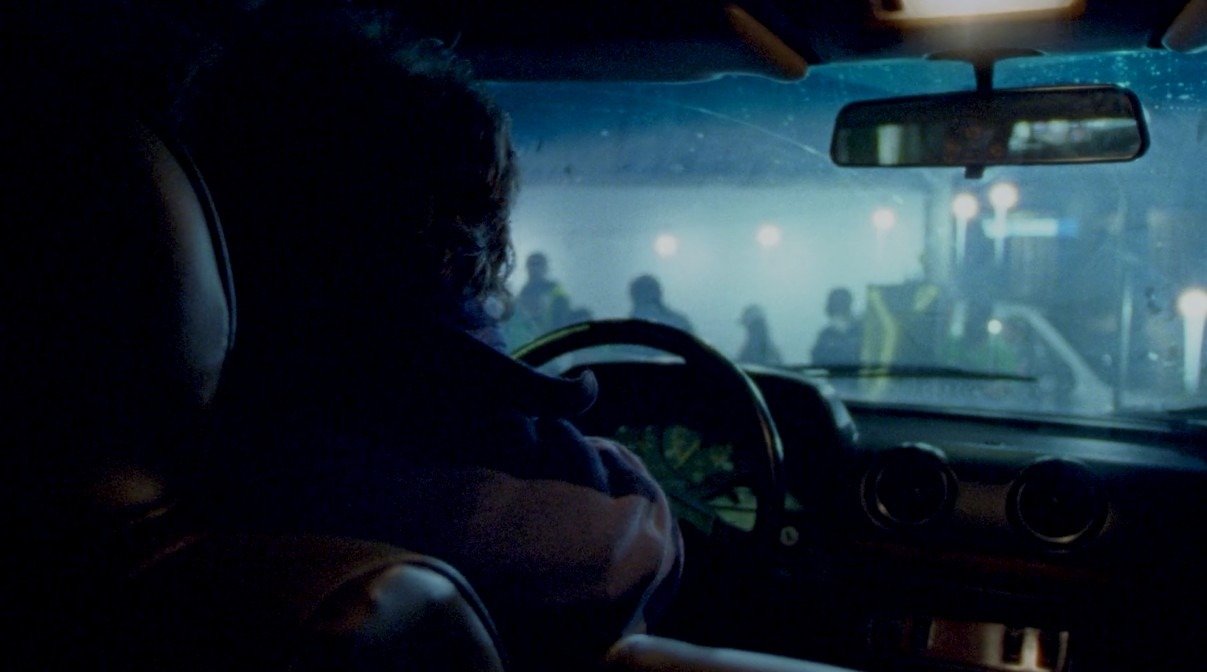
Henry begins his days on the roadside, stretching, reading theology, preparing himself physically and spiritually before opening the DoorDash app. His life unfolds through deliveries that blur together—each restaurant pickup, each apartment drop-off reinforcing his invisibility. He lives on a boat, survives rent week to week, and navigates a system where a single low rating threatens his livelihood. Parallel to this grind, Henry writes, records music, and dreams of finishing his film. These pursuits are not escapes but acts of resistance. Throughout, his faith remains non-dogmatic and intimate. He prays, reads religious texts, and reflects on what it means to inhabit a body without pain. When his physical condition deteriorates to crisis, medical attention finally arrives. Surgery follows. Survival—not triumph—is the resolution. The film ends with Henry alive, present, and reconnected to sensation without promising escape from precarity.
The film adopts an observational, quietly existential aesthetic.
The visual language supports the story quietly, allowing routine and physical detail to carry the emotional weight.
A deeply interior protagonist. Observant, gentle, disciplined, spiritually curious. His arc is not about success but endurance. He embodies the psychological cost of modern labor. A food delivery driver, independent filmmaker, and musician navigating the erosion of body and spirit.
A fellow dasher and aspiring actress. She offers emotional and intellectual connection without rescue. Her presence reflects a parallel path—creative ambition under the same economic constraints.
Customers, clerks, bandmates, doctors, police, and strangers function as fragments of the system, not full antagonists. No one is villainized. The system itself is the pressure. Encounters with authority figures bring no clarity—only dismissal or temporary relief.
Dasher film emerges from lived observation of gig labor and its quiet, cumulative toll. I am interested in what happens when work offers no narrative—no promotion, no resolution, no escape. Henry’s story is not about overcoming precarity but surviving it with dignity intact. His faith, his art, his discipline are not solutions. They are ways of remaining present while the body and the system grind against each other. The film rejects traditional arcs of escape or victory. It offers something quieter: a portrait of endurance, tenderness, and the small miracle of still being here.
Dialogue is minimalist and functional. Often transactional. Repetition reinforces monotony. Spiritual dialogue is internal or whispered. Meaning emerges through routine, physical detail, and silence. The tone is observational, non-judgmental, and often tender. Humor emerges incidentally. The city is not hostile; it is indifferent.
Dasher film is intended for audiences drawn to social drama, observational cinema, and stories of economic precarity rendered with restraint. The film shares DNA with works like Nomadland in its portrait of American gig labor, The Rider in its intimate study of a body under pressure, and Taxi Driver in its structural isolation through urban space.
Socially conscious independent cinema continues to find devoted festival and streaming audiences. Resources from contemporary genre analysis document the enduring appetite for authentic, restrained social drama.
The screenplay is currently in development, supported by a complete creative and visual package. Available upon request:
Films exploring gig economy precarity and urban isolation have demonstrated strong festival traction. Sundance Institute programming reflects ongoing commitment to authentic American independent cinema.
The viewing experience of Dasher film is designed to be immersive and accumulative. Meaning builds through repetition, physical detail, and the quiet erosion of Henry’s body and spirit. The film invites the audience to inhabit the grind alongside him—not to judge, not to rescue, but to witness. There is no triumph. There is continuation. Henry is still here.
Sunlight Productions is seeking co-production partners and development financing for this feature film project.