
Written by Gorana Balancevic and Aleksandar Adžić
Rent A Jar film is a dark comedy that satirizes loneliness, performance, and the commodification of human connection in contemporary Los Angeles.
At its core, Rent A Jar film examines what happens when intimacy becomes a service. The story unfolds through an underground Los Angeles agency that rents actors as friends, lovers, and stand-ins for every imaginable human connection. Clients request daughters, husbands, cooks, listeners, and romantic partners. Each interaction is scripted, timed, and monetized. The film asks uncomfortable questions about who is being served and who is being exploited when loneliness meets capitalism.
The Rent A Jar film was developed as an independent dark comedy with an ensemble structure that captures the absurdity and tragedy of gig-economy intimacy. The screenplay balances humor with genuine emotional stakes, refusing to mock its characters even as it satirizes the world they inhabit.
“An underground Los Angeles agency that rents actors as friends, lovers, and stand-ins for human connection spirals into chaos when loneliness, money, art, and exploitation collide, exposing the fragile line between performance and real life.”
Rent A Jar film follows a rotating ensemble of struggling actors employed by an agency that provides human companionship for hire. Through episodic vignettes, the film explores rented motherhood, grief substitution, aging, migration, artistic desperation, and economic survival. At the center is Joe, the volatile founder whose charisma and recklessness drive both the agency’s success and its inevitable collapse. As boundaries blur between performance and authentic emotion, the performers must confront what they are selling and what they have lost. Funny, uncomfortable, and ultimately humane, Rent A Jar asks whether performance can ever become real when someone is paying for it.
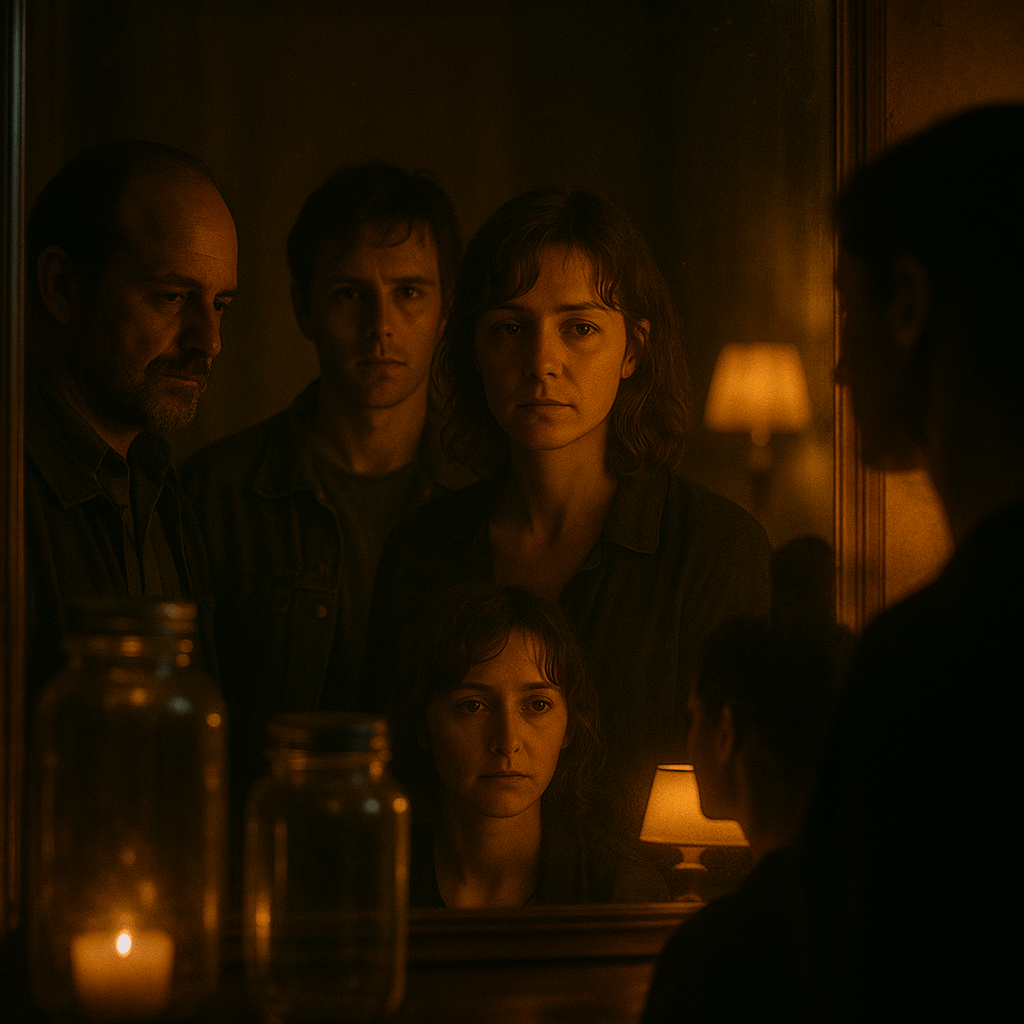
Set in contemporary Los Angeles, Rent A Jar film moves between the lives of actors who work for Rent a Jar, a fringe agency that monetizes emotional labor. Each client arrives with a specific request: a daughter to attend a family dinner, a husband for a social event, a friend to share a meal, a listener for an hour of confession. The actors perform these roles with varying degrees of success and personal cost. As the agency gains attention from filmmakers seeking to exploit its authenticity, legal trouble, ethical collapse, and addiction intensify. The final act turns tragic with Joe’s death, leaving the ensemble suspended between exploitation and the genuine connections they have formed despite the transaction. The film closes on intimacy reclaimed outside the marketplace: shared meals, surrogate families, and creative persistence.
The film adopts an observational realism that heightens the absurdity of its premise.
The volatile founder of Rent a Jar. Charismatic, reckless, and struggling with addiction, Joe’s vision drives the agency’s success and his personal demons propel its collapse. He embodies the moral ambiguity at the heart of the enterprise.
An actor whose assignments increasingly blur the line between performance and genuine emotional investment. Her journey raises questions about whether intimacy can be authentic when it is purchased.
The ensemble of performers whose intersecting stories reveal the diversity of reasons people rent and rent out human connection. Each character carries unresolved emotional needs that surface through their assignments.
Rent A Jar film emerged from observing how contemporary life has transformed intimacy into something that can be scheduled, purchased, and performed. We were interested in the absurdity of renting a human being to fill an emotional void and the deeper loneliness that persists on both sides of the transaction. The film does not judge its characters for participating in this economy. Instead, it asks what drives people to rent connection and what happens when the performance ends. The ensemble structure reflects the fragmented, episodic nature of gig work itself. Humor and tragedy coexist because they must. This is a film about people trying to survive, connect, and create meaning in a world that increasingly treats relationships as services.
Dialogue is performative by design. Characters constantly switch between scripted roles and authentic emotion, generating irony and tension. The screenplay’s strongest moments occur when performance collapses and unscripted truth emerges. The tone oscillates between absurdist comedy and social tragedy, capturing the instability of gig-based intimacy. Humor never undercuts the emotional seriousness of loneliness and exploitation.
Rent A Jar film is intended for audiences drawn to dark comedy, social satire, and ensemble storytelling. The film shares DNA with works like Sorry to Bother You in its satirical critique of labor and commodification, The Florida Project in its empathetic portrayal of marginalized lives, and The Square in its moral satire of contemporary society.
Ensemble dark comedies with social critique continue to find strong festival and streaming audiences as documented by contemporary genre analysis.
The screenplay is currently in development, supported by a complete creative and visual package. Available upon request:
Independent ensemble films with strong satirical voices have demonstrated significant festival traction. Sundance Institute programming reflects ongoing appetite for original American indie cinema.
The viewing experience of Rent A Jar film is designed to be uncomfortable and humane in equal measure. The episodic structure mirrors the fragmented nature of gig work itself. Audiences are invited to laugh at the absurdity while recognizing the genuine loneliness that fuels the transaction. The film closes not on resolution but on the small, authentic connections that survive outside the marketplace.
Sunlight Productions is seeking co-production partners and development financing for this feature film project.