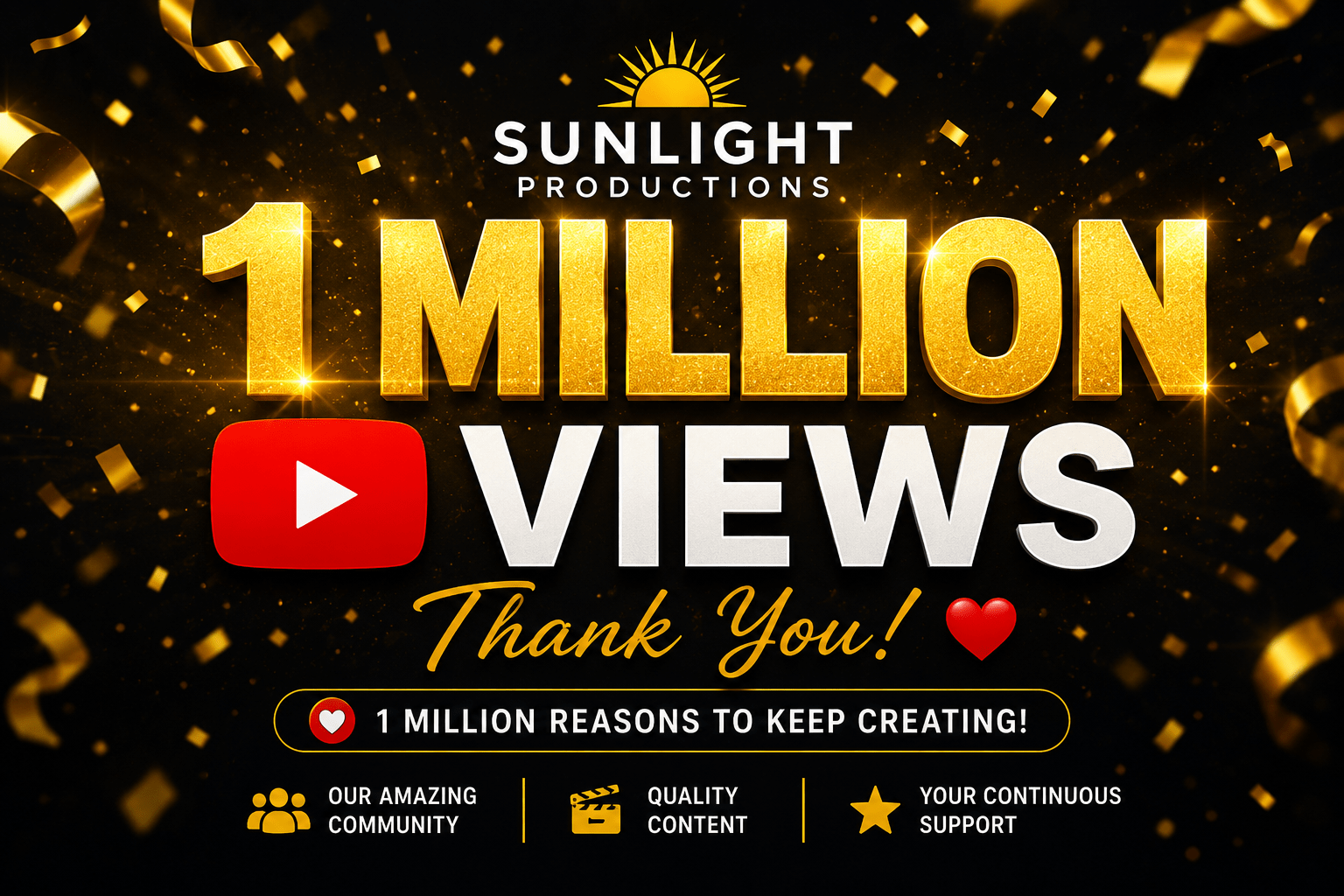
Sunlight Productions celebrates reaching 1 million YouTube views, marking a major milestone in independent filmmaking, music video production, and cinematic storytelling.
Read More
YouTube: https://www.youtube.com/watch?v=Nrl6RLnq6lo
Spotify: https://open.spotify.com/album/6xYku0iFELP… Apple Music: https://music.apple.com/us/album/no-one-bu…
YouTube Audio:  • No One But Myself
Produced by: Sunlight Productions Holdings LLC
Sunlight Productions operates as a focused creative studio rather than a high-volume vendor. We engage selectively with projects aligned with our production philosophy and capabilities.
For production inquiries, festival consideration, or materials-related requests, please use the contact information provided on this website.
Sunlight Productions celebrates reaching 1 million YouTube views, marking a major milestone in independent filmmaking, music video production, and cinematic storytelling.
Read More
Sunlight Productions provides film production services across narrative and non-narrative formats, including feature films, short films, documentaries, music videos, and branded media.
We operate with a production-first mindset-prioritizing preparation, execution, and post-production integrity.
As an independent film production company, we understand the constraints and opportunities of modern film making and design production workflows accordingly.
Strong projects begin with disciplined development. Our studio supports screenplay development services, story consultation, and creative refinement for original projects at early and mid-development stages.
We collaborate with writers, directors, and producers to ensure narrative clarity, production feasibility, and alignment between creative intent and execution.
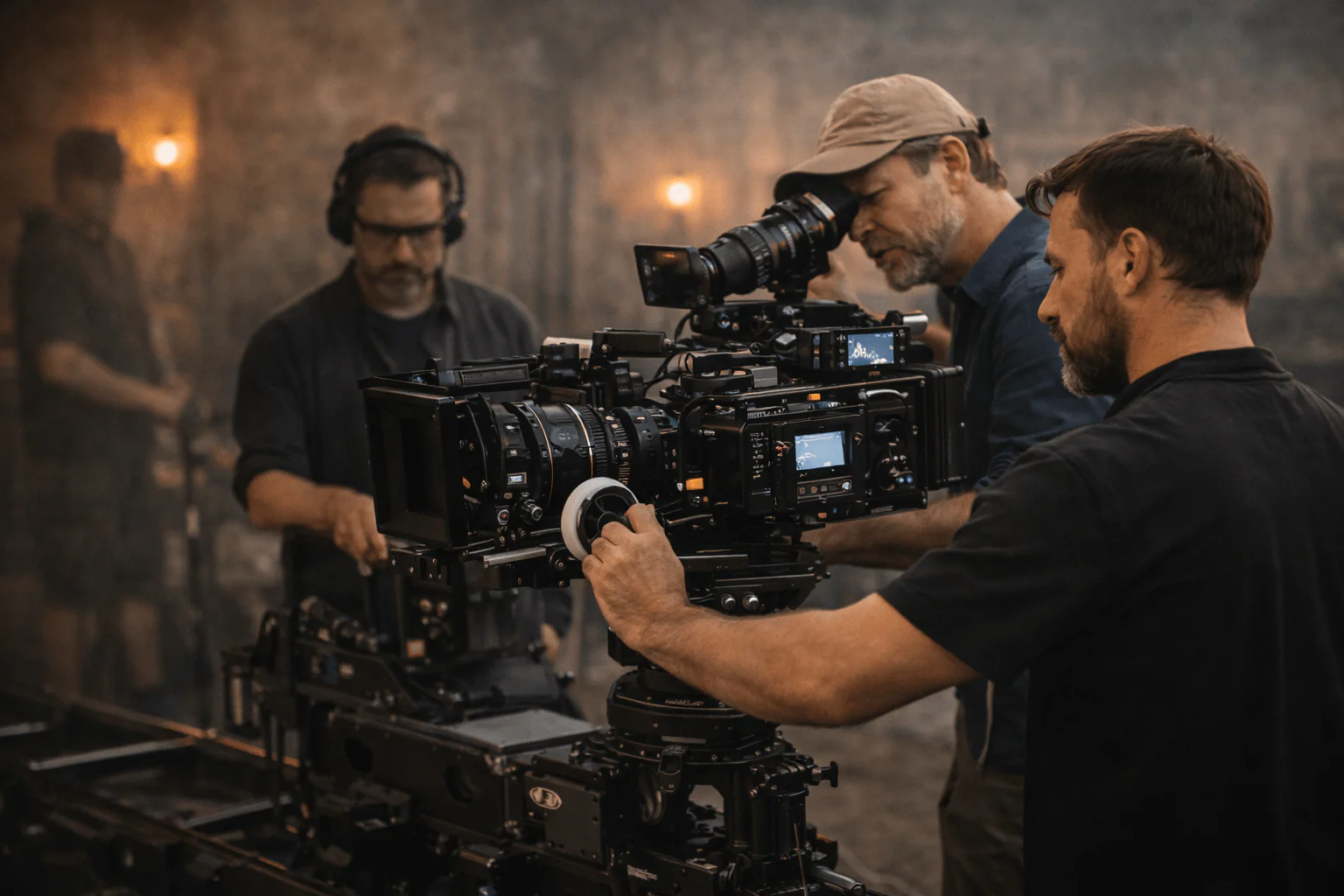
Production services are delivered through experienced crews and collaborators, covering location production, controlled environments, and hybrid workflows. Our focus remains on performance capture, visual consistency, and professional on-set standards.
Post-production transforms captured material into a finished cinematic work. Sunlight Productions supports editorial, color, sound, and delivery workflows designed to meet festival, broadcast, and digital distribution requirements.
Every project is guided through post-production with creative oversight to preserve narrative coherence and technical quality.
In addition to film work, Sunlight Productions engages in music and audio-related projects, including recording, editing, and media integration.
The Impossible Future is an unreleased independent film recorded in 2021, exploring the world of Bitcoin, digital currency, and the shifting power of decentralized technology. This early promo gives a first glimpse into the project’s atmosphere, visual style, and conceptual direction. Set against the backdrop of global change, The Impossible Future examines the tension between traditional systems and a financial future that challenges everything we know.
The Lioness Within chronicles the extraordinary journey of Graciela Casillas, a trailblazing martial artist who shattered stereotypes and became an undefeated world champion. Mentored by legendary martial artist Dan Inosanto, Graciela rose above societal barriers and personal challenges to carve a path in a male-dominated sport, inspiring a new generation of women to embrace their strength and potential.
We provide end-to-end music video recording services, turning your song into a powerful visual story. From concept development and on-set production to professional cinematography, lighting, and direction, we capture high-quality visuals that match your sound, style, and brand-ready for release on all major platforms.
Sunlight Productions Holdings LLC blends storytelling with creative craft across film and music. We blend cinematic sound with artistic creativity to bring stories to life.
Our Company covers multiple fields:
– media, recording, editing, publishing, and related services.
– manufacture, repair, retail of musical instruments and accessories.

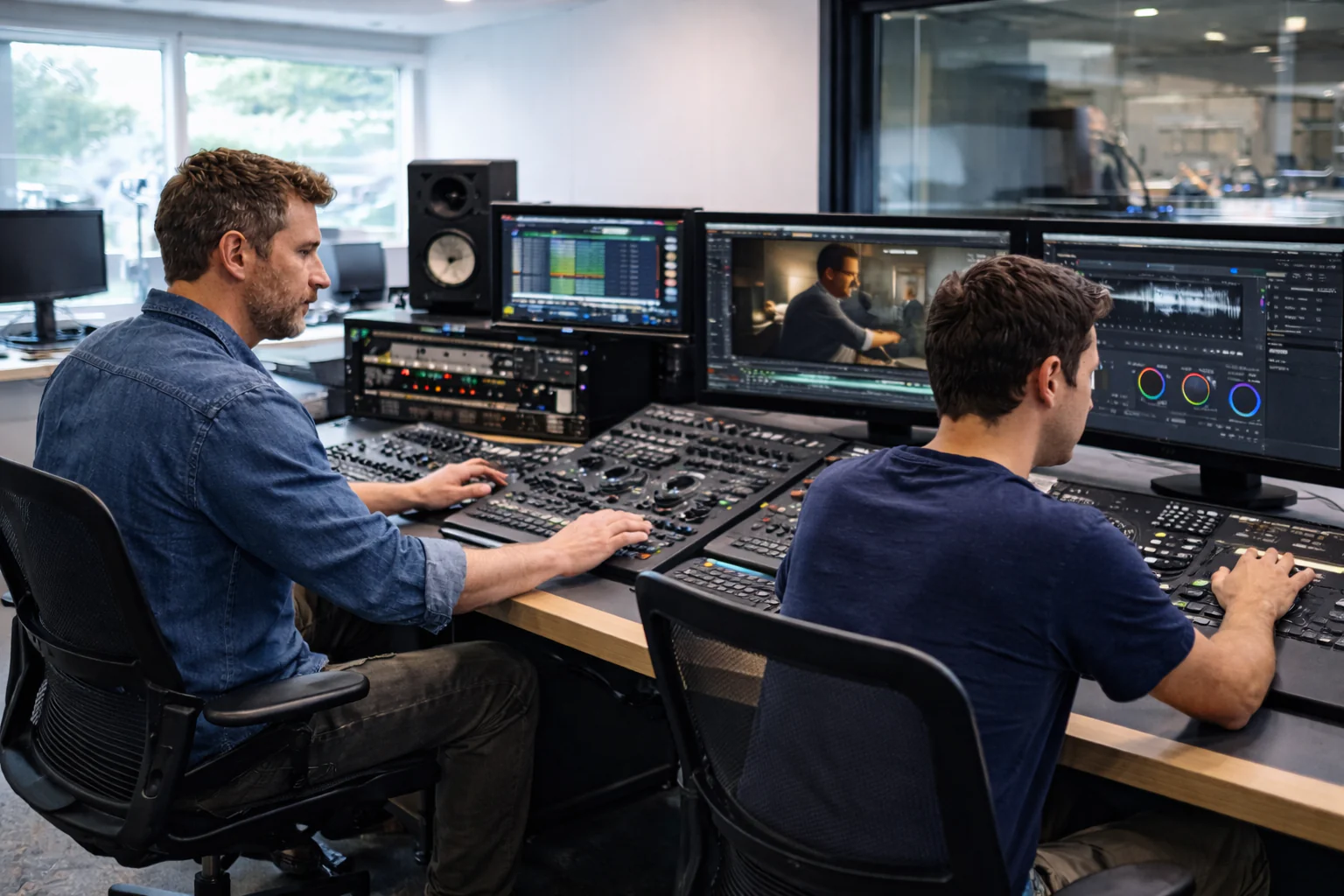
Film production services at Sunlight Productions Holdings LLC are structured to support professional narrative, commercial, and media-driven projects from initial concept through final delivery. Each production is developed using established industry workflows designed for consistency, reliability, and controlled creative execution.
Film production services include development coordination, production planning, crew management, location logistics, and post-production supervision. All projects are executed to meet professional requirements for festivals, digital platforms, branded distribution, and private release.
Complete film production services deliver end-to-end support from early development through final delivery, covering narrative, commercial, and independent projects. Sunlight Productions operates as a professional film production company overseeing creative execution, technical operations, and on-set logistics.
Each production is structured to maintain clarity across direction, cinematography, lighting, sound, and production design. Our team manages crew coordination, scheduling, and workflow control to ensure filming remains efficient and organized.
Production planning and execution are aligned with both creative intent and technical standards, allowing projects to move smoothly through each stage.

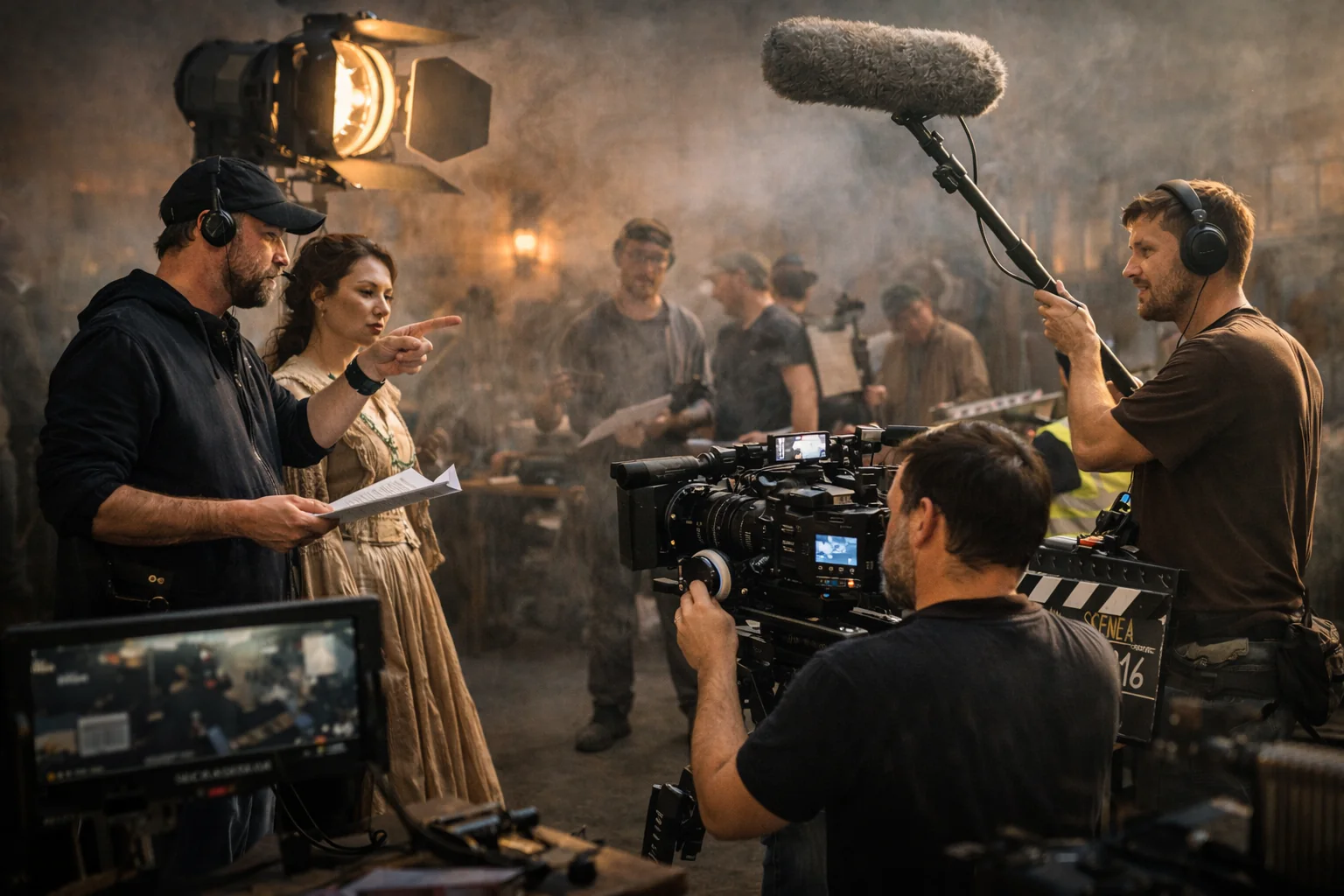
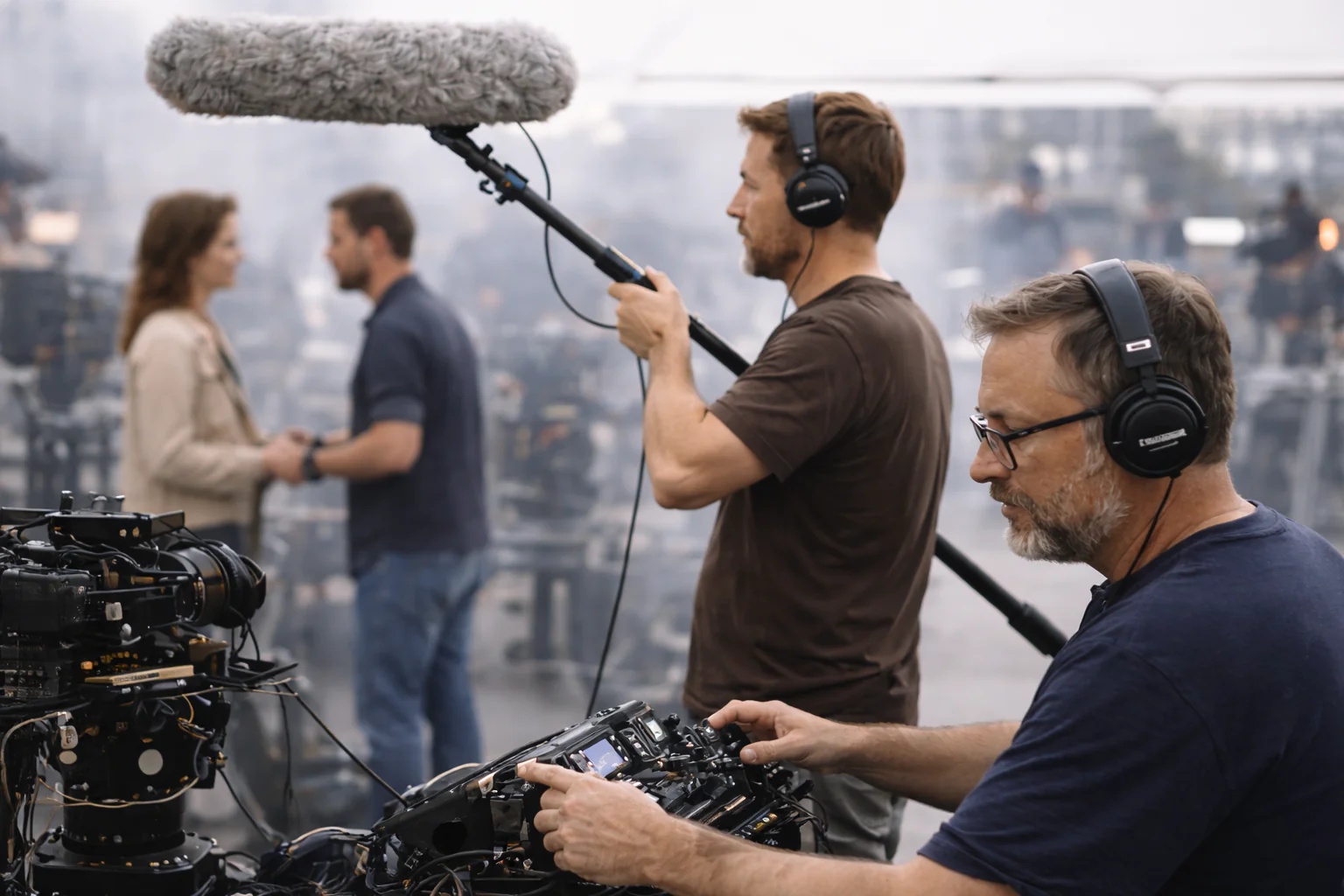
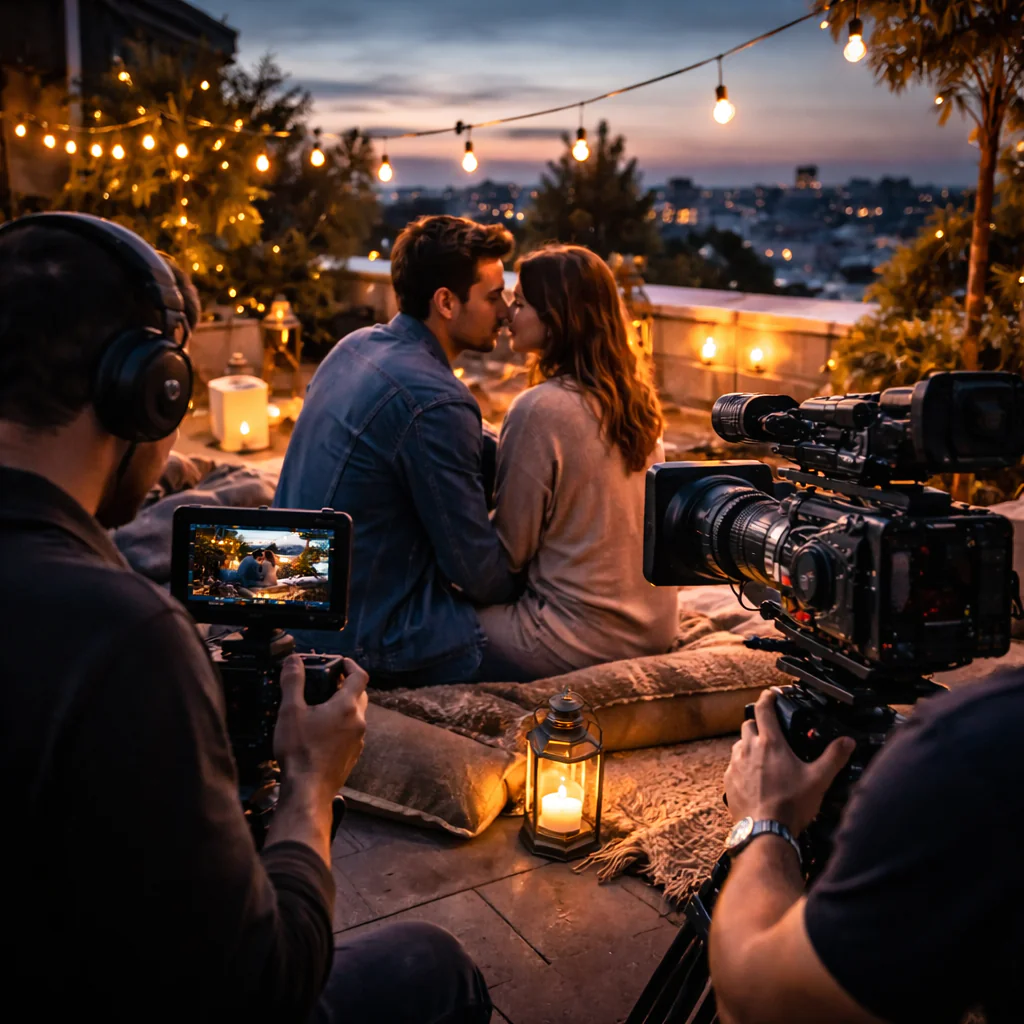
Short film production focuses on concise storytelling built around strong emotional impact and clear narrative intent. Each project is developed as a complete cinematic work, designed to leave a lasting impression through disciplined structure and visual precision.
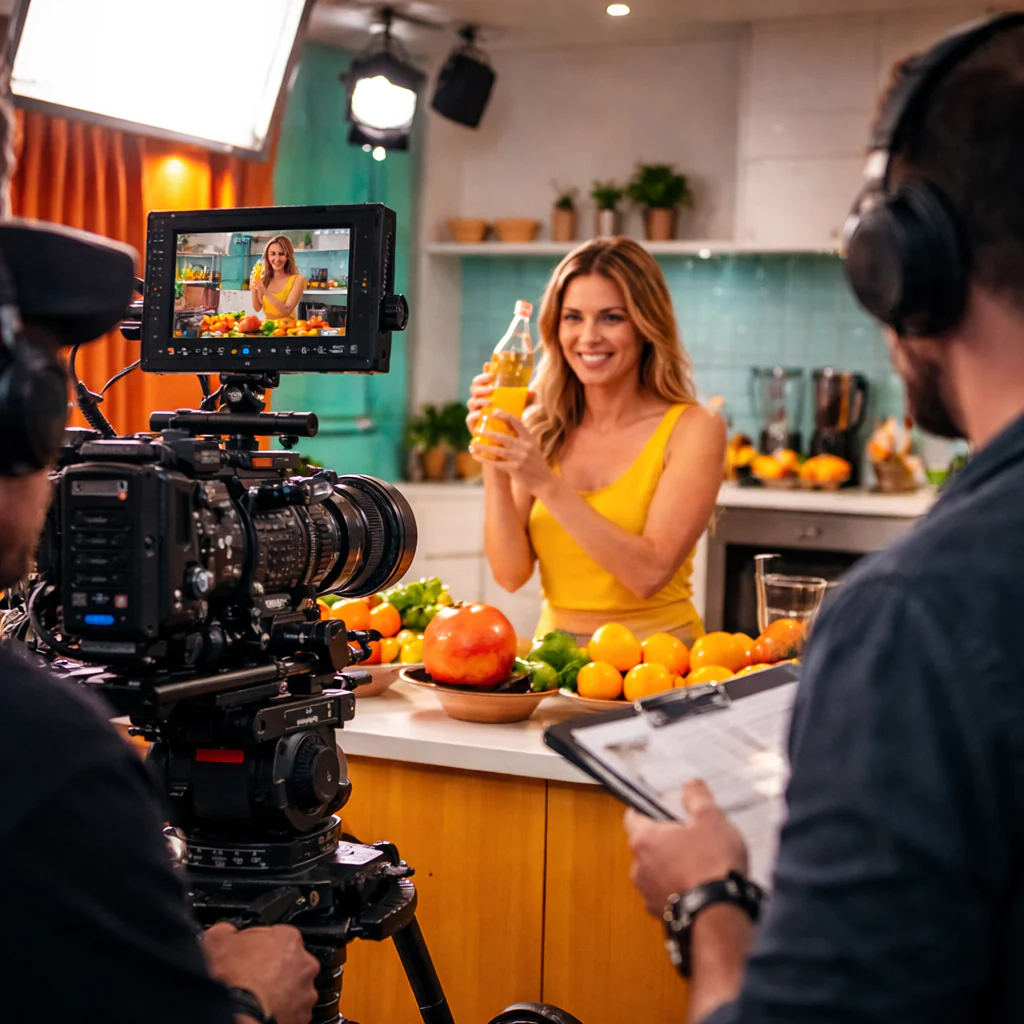
Commercials recording focuses on producing finished advertising pieces with clear messaging and controlled visual execution across platforms. Each commercial is recorded to meet campaign objectives, platform specifications, and professional requirements.
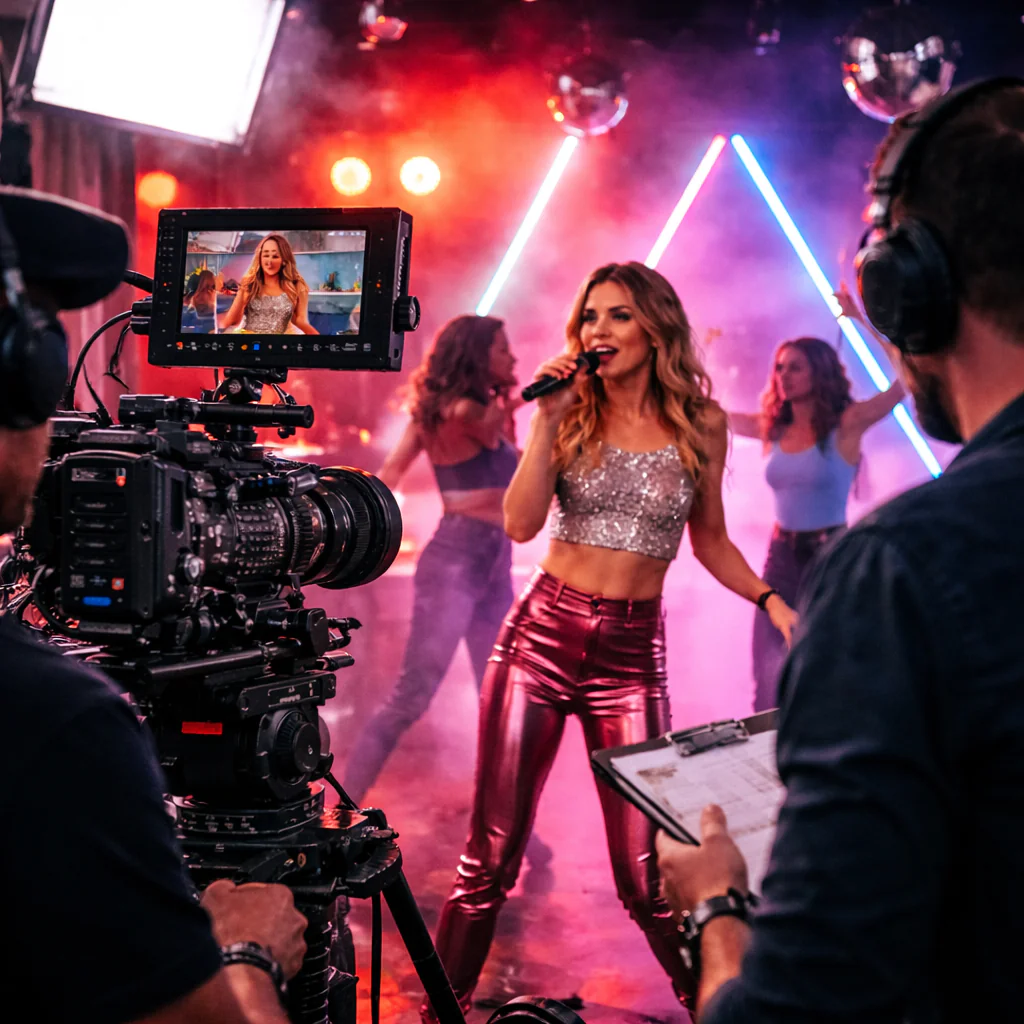
Music video recording services are designed for artists seeking a clean, cinematic result through structured planning and precise on-set filming. Each project includes post-production, delivery formatting, and coordinated release support across digital platforms.
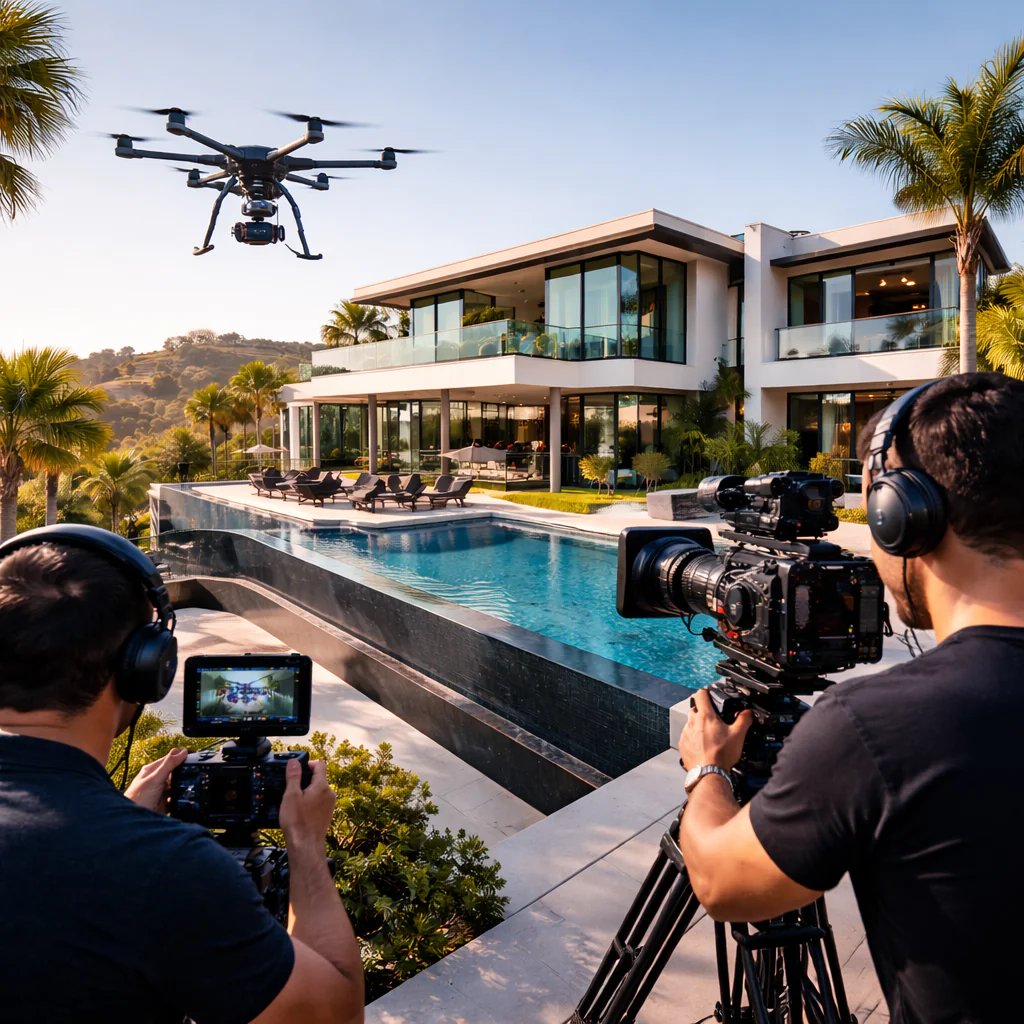
Real estate video coverage provides accurate visual documentation of residential and commercial properties through structured capture and clear composition. Each project supports listings, presentations, and archival use with consistent framing and delivery standards.
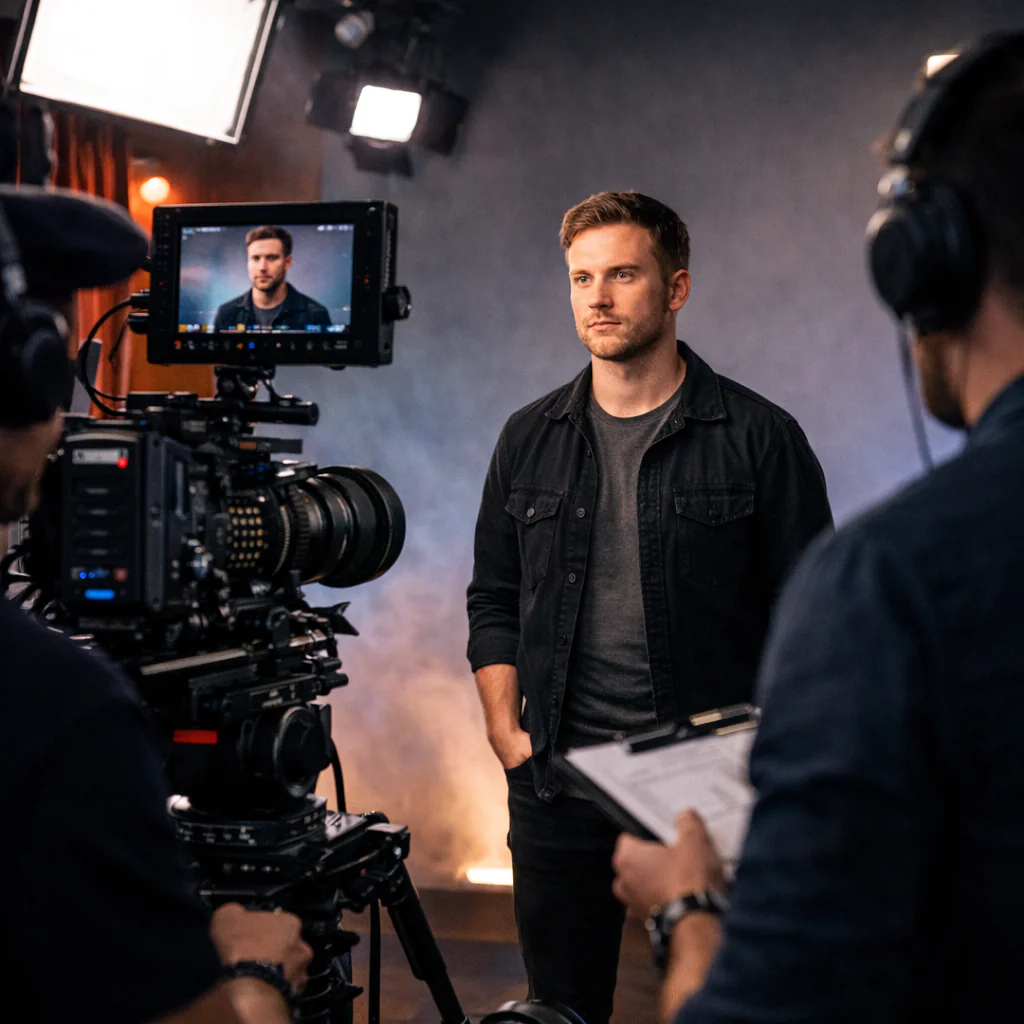
Actor reel production creates focused performance reels that present actors clearly and professionally for casting and representation. Each project is recorded to highlight screen presence, range, and delivery standards suitable for auditions and industry submission.
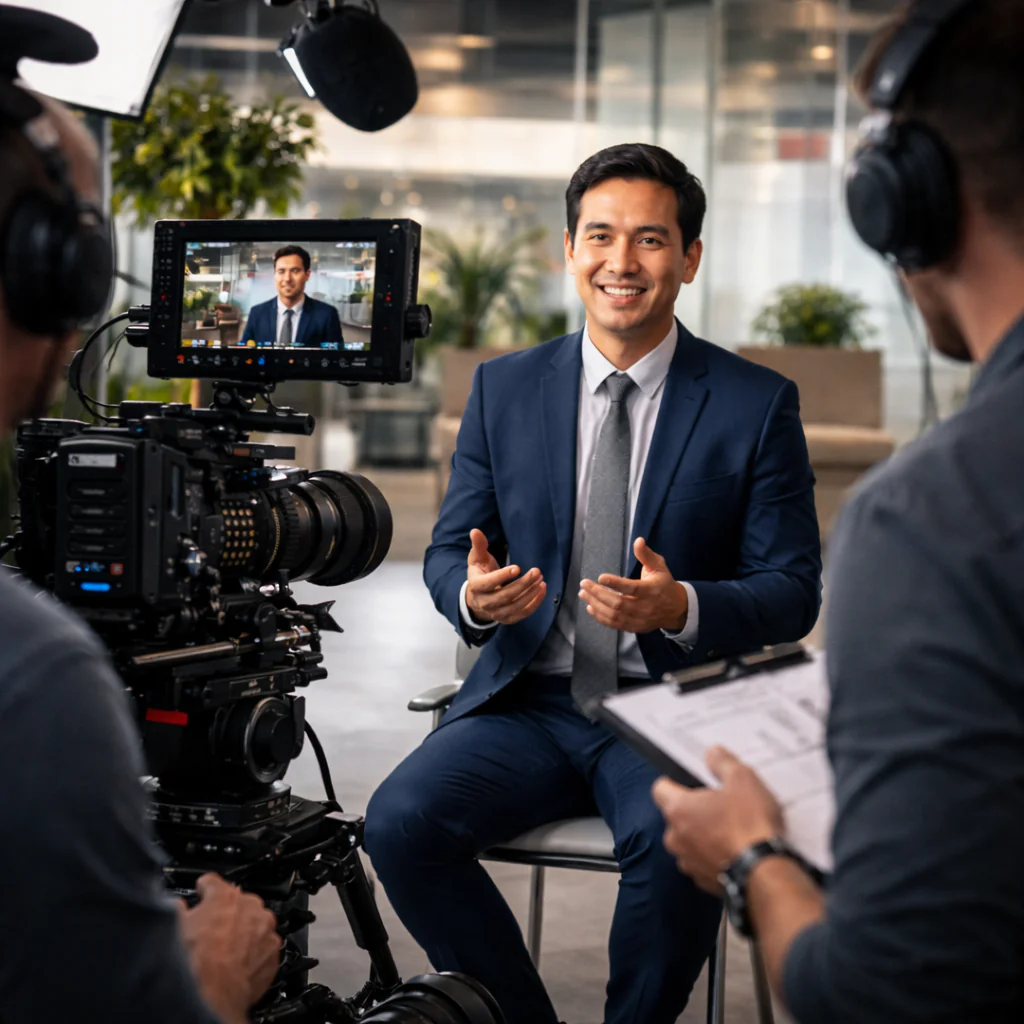
Corporate video production delivers structured visual communication for organizations through clear messaging and controlled production execution. Each project supports internal communication, external presentation, training, and brand documentation with consistent visual standards and delivery formats.